
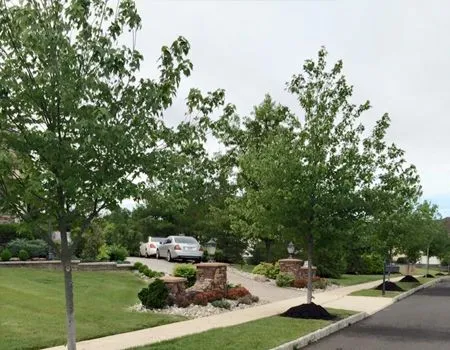
Proper tree pruning is one of the best ways to promote healthy growth, improve safety, and enhance the appearance of your landscape. However, pruning is much more than simply cutting off branches. Poor pruning techniques can weaken a tree and encourage disease. That's why many homeowners choose to hire an ISA-certified arborist. Certified by the International Society of Arboriculture (ISA), such professionals have demonstrated extensive knowledge of tree healthcare needs and proper pruning practices. At Twin Peaks Tree Service, our local ISA-certified arborists provide expert tree pruning in the greater Doylestown area. Here are four benefits of having an ISA-certified arborist prune your trees. Promote Healthier Tree Growth An ISA-certified arborist understands how trees respond to pruning and knows which branches should be removed to encourage healthy development. By eliminating dead, diseased, damaged, and crossing branches, an arborist helps improve airflow and sunlight penetration throughout the canopy. Proper pruning also allows the tree to direct more energy toward healthy growth, resulting in a stronger and more resilient tree. Reduce Safety Hazards Overgrown or weakened branches can become serious hazards, especially during storms. Dead limbs may fall without warning, while branches growing over roofs, sidewalks, driveways, or power lines can pose significant risks. An ISA-certified arborist can identify structural weaknesses and remove hazardous limbs before they cause property damage or injury. Routine pruning helps keep your trees safer and your property better protected. Prevent Disease and Pest Problems Trees that contain dead or damaged branches are often more vulnerable to insects and disease. Proper pruning removes infected wood and improves air circulation, creating conditions that are less favorable for fungal growth and certain pests. An ISA-certified arborist can also recognize early signs of disease or insect infestations that may not be obvious to homeowners, allowing problems to be addressed before they spread. Improve the Appearance and Structure of Your Trees Professional pruning enhances both the beauty and structural integrity of your trees. Rather than removing branches indiscriminately, an ISA-certified arborist carefully shapes the canopy while preserving the tree's natural form. Proper structural pruning encourages balanced branch growth, reduces the likelihood of future breakage, and helps create an attractive landscape. ISA-Certified Arborist Services in Doylestown, PA For expert tree pruning in Doylestown and the surrounding area, contact Twin Peaks Tree Service at 267-281-3162 . We provide residential and commercial tree services in Doylestown. Feel free to give us a call to request an arborist estimate in greater Doylestown, PA !
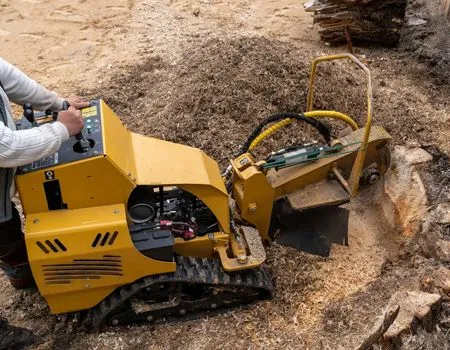
After a tree is removed, many property owners choose to leave the stump behind without realizing the potential issues it can create. While it may seem harmless at first, an old tree stump can lead to safety hazards, pest problems, and other issues. Removing tree stumps is an important step in fully restoring your landscape and maximizing the usability of your yard. At Twin Peaks Tree Service, our local arborists provide expert stump grinding and removal in the greater Doylestown area. Here are five benefits of removing tree stumps from your property. Improve Curb Appeal Tree stumps can make an otherwise well-maintained yard look somewhat neglected. Removing them creates a nicer appearance and allows your landscaping to look more intentional. A smooth, stump-free yard enhances overall curb appeal, which can be particularly important when preparing to sell. Eliminate Tripping Hazards Stumps can be dangerous obstacles, especially in yards where children play, guests gather, or visibility is limited. They can easily cause trips and falls, particularly when hidden by grass. Removing stumps helps create a safer yard. Prevent Shoots Growing from Stump Some tree species can continue to sprout new shoots from the remaining stump and root system. This regrowth can become difficult to control and may require ongoing maintenance. Removing the stump helps prevent these persistent issues. Create More Usable Yard Space A tree stump takes up valuable space that could be used for a smoother lawn, gardening, a patio, or recreational activities. Stump removal opens up your yard, and makes it easier to explore new possibilities for it. Prevent Pest Infestations Decaying wood attracts pests such as termites and other wood-boring insects. Once a stump becomes infested, these pests can spread. Removing the stump eliminates a potential breeding ground for infestations. Stump Grinding and Removal in Doylestown, PA For expert stump removal in Doylestown and the surrounding area, contact Twin Peaks Tree Service at 267-281-3162 . We provide residential and commercial tree services in Doylestown. Feel free to give us a call to request an arborist estimate in greater Doylestown, PA !
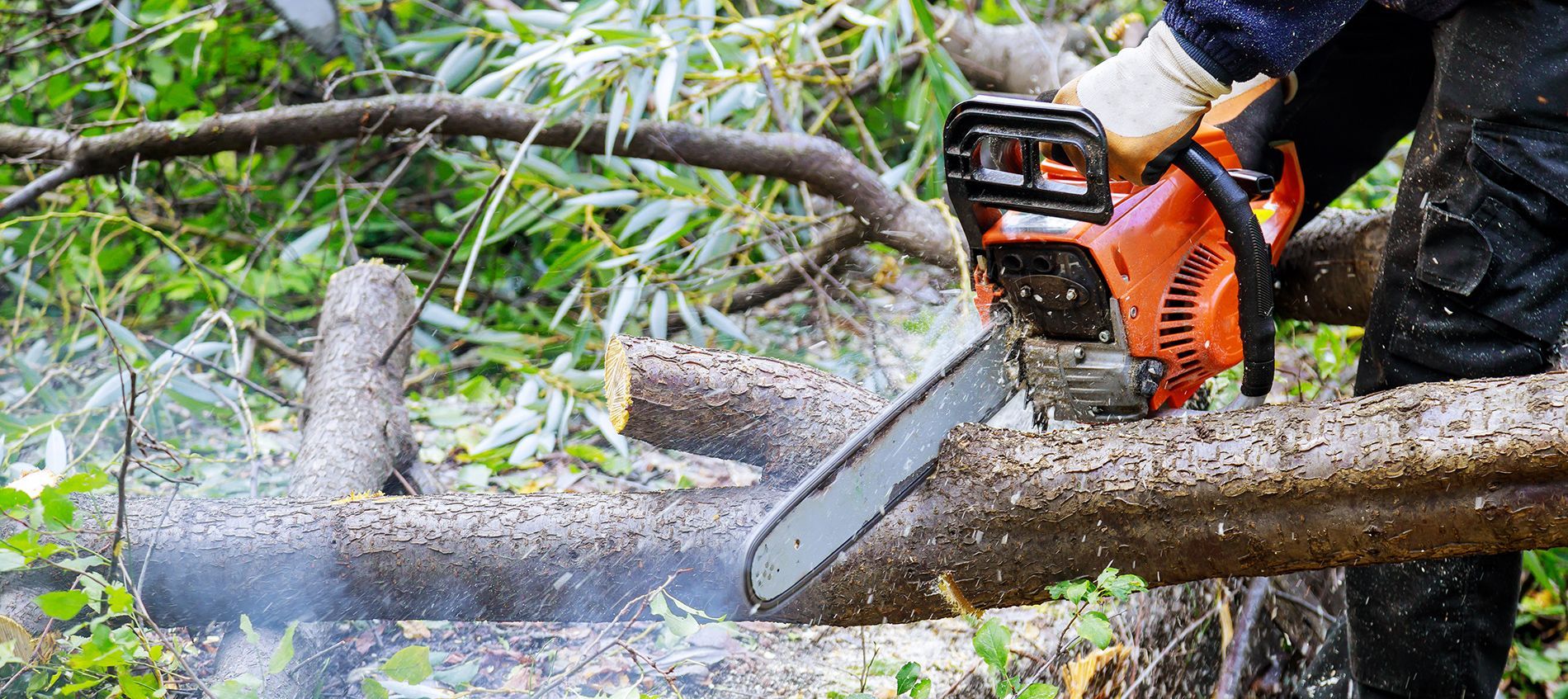
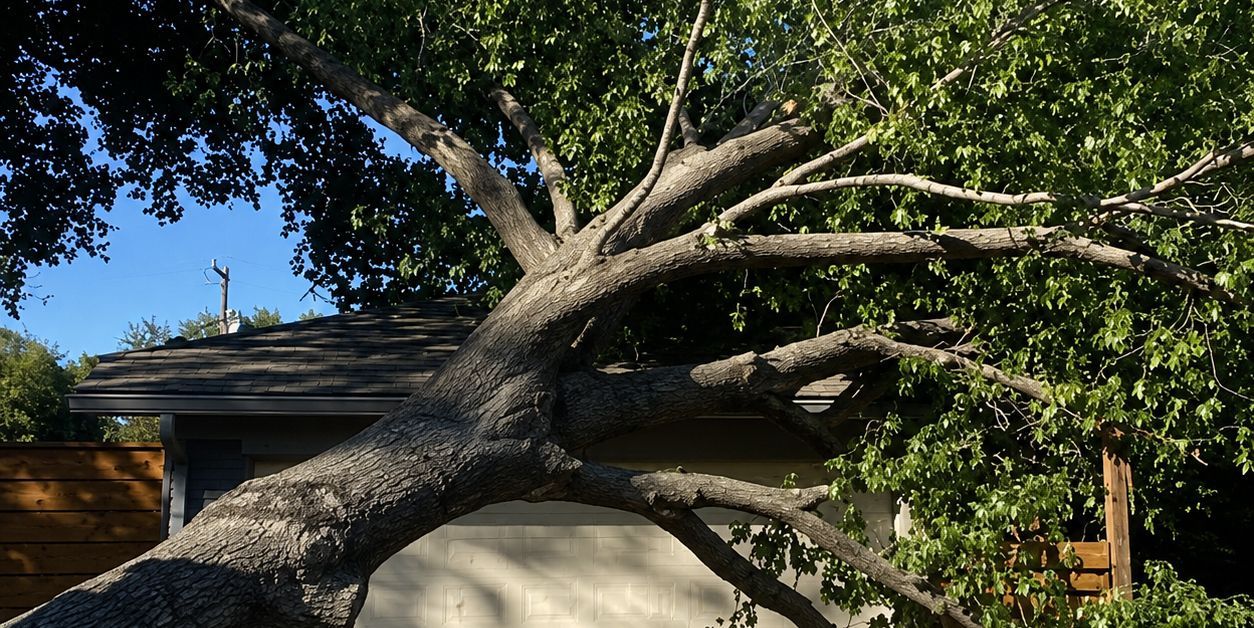
Understand hazardous tree risks & removal processes. Contact us for expert tree services today!
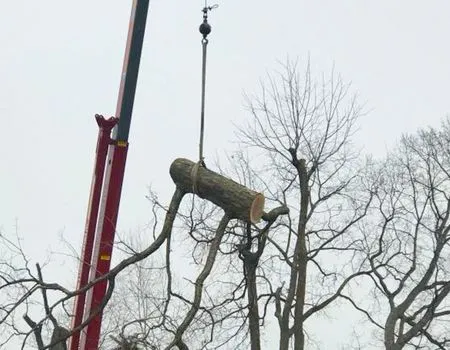
Learn 5 signs your tree may be unsafe. Contact Twin Peaks Tree Service for expert tree removal and arborist services.
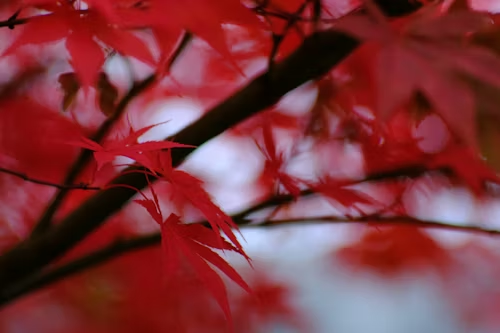
Red maples are a popular and beautiful tree species throughout Pennsylvania, known for their vibrant fall color and adaptability to a variety of landscapes. While they are generally hardy, red maples can still experience health issues due to environmental stress, pests, and improper care. Homeowners often have questions about how to maintain these trees and recognize when something is wrong. At Twin Peaks Tree Service, we’re happy to answer your questions about red maple health and care in Pennsylvania. How Can You Help Keep Red Maples Healthy? Keeping red maples healthy starts with proper planting and ongoing care. These trees prefer well-drained soil and benefit from consistent watering, especially during dry periods. Applying mulch around the base helps retain moisture and regulate soil temperature, but it’s important not to pile mulch against the trunk. Regular pruning to remove dead or weak branches can also support healthy growth. What Are the Signs of Red Maple Health Problems? There are several warning signs that may indicate a red maple is struggling. Leaf discoloration, such as yellowing or browning during the growing season, can signal stress or nutrient deficiencies. Premature leaf drop, sparse foliage, or dead branches are also cause for concern. In some cases, you may notice peeling bark, cracks in the trunk, or fungal growth at the base of the tree. These symptoms can point to disease, pest infestations, or environmental issues that need attention. When Should a Red Maple Be Removed? While many red maple issues can be treated, there are situations where removal may be necessary. If a tree is severely diseased, structurally compromised, or poses a safety risk due to leaning, removal may be the best option. Trees that are too close to structures or have extensive root damage may also need to be removed. A professional evaluation can help determine whether the tree can be saved or if removal is the safest course of action. When Should You Call an Arborist for Care? If you notice signs of declining health or are unsure about the condition of your red maple, it’s a good idea to call a professional arborist. Arborists can diagnose issues, recommend treatments, and perform necessary maintenance such as pruning or pest management. They can also assess structural stability and provide guidance on long-term care. Early intervention often leads to better outcomes and can help preserve the health of your tree. Where Can I Find Red Maple Care in Doylestown, PA? For expert red maple care in Doylestown and the surrounding area, contact Twin Peaks Tree Service at 267-281-3162 . Feel free to give us a call to arrange an arborist estimate in greater Doylestown, PA !
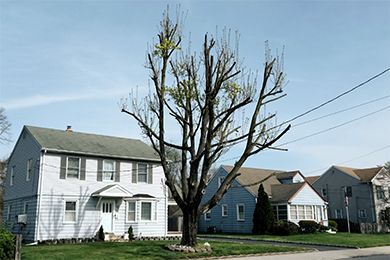
Trees add beauty and value to properties, but when branches grow too close to power lines, they can quickly become a serious safety concern. What may seem like simple overgrowth can lead to power outages, property damage, or even life-threatening situations. At Twin Peaks Tree Service in Doylestown, PA, we regularly help homeowners and businesses address hazardous tree growth near utility lines before problems occur. Here’s what to know. Increased Risk of Power Outages One of the most common dangers of trees growing into power lines is unexpected power loss. During storms, strong winds or heavy snow can cause branches to snap and fall onto lines, knocking out electricity to entire neighborhoods. Even healthy trees can become dangerous when limbs rub against lines over time, wearing down protective coatings and increasing the chance of failure. Proactive trimming helps reduce outages and protects essential services. Serious Safety Hazards for People and Property Trees contacting power lines pose a significant risk to people nearby. Downed lines hidden in branches can energize surrounding trees, fences, or wet ground, creating a dangerous situation that isn’t always obvious. Attempting to trim trees near power lines without professional training is especially risky and can result in severe injury or worse. Professional tree trimming near power lines ensures safe clearance while protecting your home, vehicles, and outdoor spaces. Long-Term Damage to Trees and Infrastructure When trees grow into power lines, the damage isn’t limited to utilities. Improper or emergency cutting by utility crews can leave trees unbalanced, stressed, or permanently damaged. Over time, repeated contact with lines can weaken branches, cause uneven growth, and shorten the tree’s lifespan. Strategic pruning by certified arborists helps maintain healthy structure while preserving both the tree and nearby infrastructure. Why Professional Trimming Matters Managing tree growth near power lines requires experience, proper equipment, and an understanding of tree biology. Professional arborists like us will evaluate growth patterns, clearance needs, and safety considerations before making precise cuts. This approach reduces risk, supports long-term tree health, and keeps properties compliant with local safety standards. Power Line Tree Trimming in Doylestown, PA Trees and power lines don’t mix! Twin Peaks Tree Service provides professional tree trimming near powerlines in Doylestown and surrounding communities, helping property owners manage hazardous growth safely and responsibly. If you’re concerned about trees near power lines, or need other tree care services,, call Twin Peaks Tree Service in Doylestown, PA at 267-281-3162 to schedule an evaluation and protect your home, your trees, and your peace of mind.